
Prescription drug misuse is a concern among college students.
Some students try to manage their lives by misusing prescription drugs, either their own prescription or with medications they do not have prescriptions for. Students may turn to prescription drugs to improve academic performance, relieve stress, or even self-medicate. There are many serious health and legal dangers of misusing controlled substances.
Scope
National Data
Approximately 16 million American aged 12 and over misuse prescription drugs each year.1
In 2023, over 5 million Americans aged 12 and over reported a prescription use disorder in the past year.2
Prescription drugs are the second most commonly misused illicit substance, after cannabis, used by 22.3% of the population, and ahead of cocaine, used by 1.5%.1
Missouri Data
According to the 2025 Missouri Assessment of College Health Behaviors (MACHB), 6.2% of Missouri college students report prescription drug use without a doctor’s prescription (an increase from 5.5% in 2024) in the past year.
60% of Missouri college students who misused prescriptions were underage (21) and 40% were over 21.
18% of students who report prescription drug misuse have co-used with alcohol at least once int he past year.
Past year reported use rates of various prescription drug categories are as follows:
| Stimulants/ Amphetamines | Pain Medications/Opiates | Sleeping medications | Sedatives/ Benzodiazepines | Others |
| 2.1% | 2.7% | 1.2% | 0.9% | 0.8% |
General Information
The Problem
There are many serious health and legal dangers of use and misuse of a controlled substances without a prescription. It is especially important to educate college students on the many dangers of misusing prescription drugs as Generation Rx has found that about half of all college students will have the opportunity to misuse a prescription drug by their sophomore year.
Students may turn to prescription drugs to improve academic performance, relieve stress, or even self-medicate but these tendencies are not the norm!
This is a growing issue on college campuses and the pressure to take these drugs can be prominent. Prescription drugs can help us live longer and healthier lives – but only if they are used properly under medical direction.
Risks
The health risks of misusing prescription drugs are very serious yet widely misunderstood. Many believe prescription drugs are a safe alternative to illicit street drugs, when in fact more emergency department visits occur due to prescription drug misuse than due to illicit “street” drugs (SAMHSA). Additionally, with the emergence of fentanyl, and other contaminants, the use of prescription drugs have become even more dangerous.
Misconceptions
These beliefs regarding prescription medication misuse among college students stem from the misconception that prescription medications are not addictive. Some students also believe that there are no legal ramifications regarding prescription medications because they are legally prescribed by a doctor. Also, since prescription medications are seen as safer, many have the misconception that there is nothing wrong with using someone else’s prescription and that these medications cannot lead to overdose.
Mixing prescription medications with alcoholic beverages significantly increases the risk and severity of possible physical and mental harm and may lead to overdose or death.
Though there are many types of prescription drugs, the most misused fall into four categories: stimulants, painkillers, sleep medications and sedatives. Each of these categories’ present dangerous health risks, but education on the dangers of misusing these drugs can help keep students safe.
The chart below provides examples of these drugs, their effects, and other associated risks/dangers. The possession of any of these medications without a prescription could result in legal consequences and can negatively affect your academic and professional career.
| Health Risks | Other Consequences | |
| Stimulants Adderall, Ritalin, Vyvanse, Concerta | High fever, convulsion, anxiety, hostility, nervousness, seizures, increased heart rate, respiration rate, and blood pressure | Excessive strain on the heart which can lead to heart failure and death |
| Pain Relievers Vicodin, Percocet, Oxycotin | Liver damage, intoxication, decreased mental alertness and concentration, nausea, vomiting, confusion, and decreased pain threshold | Regular and long-term misuse can lead to physical dependence and in sone cases addiction |
| Sleep Medications Ambien, Sonata, Lunesta, Rozerem | Lowered blood pressure, increased risk of respiratory distress, and increased risk of death when combined with alcohol | Combining sleep medications with alcohol is especially dangerous and can lead to death |
| Sedatives Valium, Xanax, Ambien | Loss of coordination, slowed reflexes, respiratory depression, aggressive behavior, hallucinations, and inability to form memories | Sudden withdrawal can cause convulsions and delirium |
Legal Risks
There are many prevailing misconceptions about the safety and legality of misusing prescription drugs. Not only do many believe these drugs are safer than street drugs, but many do not know the serious legal ramifications of using these drugs without a prescription.
- In Missouri, illegal possession of prescription drugs is a class D felony and punishable by up to 7 years in prison and a fine of up to $10,000.
- All prescription drugs must be kept in the original prescription container. If you do not keep them in the original container, the burden is on you to prove you have a legal prescription.
- Fraudulently attempting to obtain a controlled substance is a class E felony and punishable by up to 4 years in prison, and a fine of up to $10,000. This includes providing false information to obtain a prescription, claiming to be a physician or authorized person, and forging prescriptions or drug labels.
- It is illegal to distribute prescription drugs to anyone. This includes giving drugs to a friend. In addition, it is a class A felony to distribute a controlled substance within 2,000 feet of any school. A class A felony is punishable by 10-30 years in prison. Missouri colleges and universities are included in the law.
- Driving under the influence of prescription drugs could lead to a DWI arrest if the drug impairs your ability to drive safely.
Alternatives
This is a major concern on college campuses as the nonmedical use of prescription drugs among college students is more than twice as high as that among non-students who are 18-22 years of age (NSDUH). This can be a result of the pressure for academic success, erratic sleep schedules, and recreational drug culture typically associated with college life. Instead of turning to prescription drugs to handle the difficulties of being a college student, try these healthy alternatives!
Stress
Sometimes it can seem like stress and college life go hand-in-hand. The constant pressure of something always being due can be a huge stress, especially when managing finances, living with roommates, juggling work, and relationships! Turning to prescription drugs when stressed may seem like a quick and easy way to get through it all, but it has serious negative effects. Instead, try these tips to help relieve your stress!
Most Missouri college students who reported misusing benzodiazepine/sedative prescription drugs ranked stress reduction as the contributing factor for their prescription drug misuse, followed by helping with feelings/emotions.
Take Care of Your Mind
- Avoid unnecessary stress! This may be learning how to say “no” to added responsibilities, avoiding people who stress you out or identifying and avoiding situations that add stress to your life. Recognize when you’re getting stressed! Have you found yourself feeling irritable or snapping at others? Do you cry or feel like crying more than usual? Having trouble concentrating? These are signs that you might need a break!
- Don’t be afraid to take breaks! If you’re feeling burnt out, take some time just for you- do something you enjoy! Not only is this a nice getaway from the stresses of life but it can also put things in perspective, which can help prevent stress. Taking care of your mental health will help you do better on exams, papers, and assignments!
Take Care of Your Body
- Take deep breaths! Deliberately copying a relaxed breathing pattern tells the brain that things are okay, reducing the impact of stress. Visualize breathing in blue air and breathing out red air!
- Get physical! Exercise releases endorphins and endorphins make you happy! Aim for 30 minutes of physical activity (going to the gym, playing a sport, or even just taking a walk!) a day to ease stress.
- Refuel! Getting enough sleep and eating right go a long way towards reducing stress! Avoid consuming too much sugar or caffeine after dinner to avoid sleep trouble.
Take Care of Your Time
- Make lists! Keeping shopping lists, to-do lists and goals lists will save you time and make planning much easier! Keep your favorite notebook with you or download a cool app to manage these lists no matter where you are!
- Manage your time! Maintain a calendar and dedicate time to planning ahead by prioritizing and organizing your tasks and goals. Make sure to check it every day so you don’t miss any important entries!
- Meet with someone! If you’re struggling to manage all of your responsibilities, check out your school’s Student/Academic Success Center! They will have resources to help you better manage your time and stress!
Sleep
College life is not always conducive to a healthy amount of sleep, with papers to write, exams to study for and so many fun things to do! But getting enough sleep is vital to keeping our bodies and minds healthy! Try these tips for a better night’s sleep!
A vast majority of Missouri college students do not misuse prescription sleeping medication.
- Maintain a regular sleep schedule. Going to bed and waking up at the same time every day will train your brain to get sleepy and wake up at the right times!
- Exercise regularly. Getting 30 minutes of exercise a day can help regulate your sleep patterns. Late afternoon exercise is the perfect way to help you fall asleep!
- Avoid caffeine close to bedtime. Caffeine can stay in the body up to 5 hours. A good rule of thumb is no caffeine after dinner time!
- Avoid alcohol close to bedtime. Although commonly thought of as a sedative, alcohol actually disrupts sleep, causing nighttime awakenings and less restful sleep.
- Use your bedroom for only sleep and sex. Living in the dorms can make it hard to separate your spaces between living, working and sleeping. Making a mental connection between your bed and sleep will make it easier to fall asleep every night!
Pain
Self-medicating or coping with pain by misusing prescription drugs is not only dangerous to your health but also can be addictive. These drugs merely mask the pain; they do not cure the cause.
Most Missouri college students who reported misusing pain medication/opiates ranked pain as the contributing factor for their prescription drug misuse. Followed by to relax or relieve tension.
If you are experiencing pain:
- Visit your health care provider!
- Make an appointment with your student health center! Even if they can’t treat your pain, they will be able to refer you to someone who can!
- Look for a Public Health center in your area!
- Be sure to dispose of your pain medications after you have healed. What works for one ailment does not necessarily work for another!
For more tips/tricks to help with stress, sleep, pain, and prescription drug misuse, visit the Missouri Partners in Prevention RX page here!
Bystander Information
What can you do as a bystander?
While not all students are misusing prescription medications, those who are report getting these drugs from someone they are close to like friends or family.
A vast majority of Missouri college students that report using prescription drugs illegally access them from people they know.
What can you do if someone you care about is misusing prescription medications?
- Have a conversation with this person and ask them why they are using these prescription medications. Ask what you can do to help, and suggest healthy alternatives. Offer to assist them in seeking help from a counselor, doctor, or support group.
- If you believe someone you know is addicted to prescription medications, contact your local service provider through the information on our resource tab.
Best Practices
Prevention of Prescription Drug Misuse
- Prescription drug monitoring programs (PDMPs): more information at Prescription Drug Monitoring Program Training and Technical Assistance Center
- Doctor shopping and medical provider education laws: the Centers for Disease Control provides a good fact sheet on “doctor shopping laws”
- Safe storage and responsible disposal
- Prescriptions kept in lock boxes
- Prescription drug take-back events
- Public Awareness and Education
- Promote partnerships of schools, law enforcement, publish health agencies, and more to educate about the issue
- Create community coalitions to address the problem
Interventions to Increase Access and Support for Substance Misuse Services
- Adoption of Good Samaritan laws. Click here to read Missouri’s Good Samaritan Law.
- Laws that support access to rescue drugs and overdose risk reduction programs (opioid overdose education and naloxone distribution).
- Counseling programs for prescription drug addiction
- Emphasis on behavioral treatments such as contingency management and cognitive-behavioral therapy
- Availability of medication assisted recovery (MAR)
SAMHSA has resources on prevention of substance use, including prescription and opioid drug misuse, such as the opioid overdose prevention toolkit,
The Community Anti-Drug Coalitions of America (CADCA) has a wonderful toolkit to Prevent RX Misuse.
The Johns Hopkins Bloomberg School of Public Health has the Center for Drug Safety and Effectiveness.
Collegiate Prescription Drug Misuse Prevention
- Be MedWise College Resource Kit
- Generation Rx, Generation Rx University
- NASPA Stimulant Medication Misuse Prevention Peer Education Toolkit
Strategic Planning for Preventing Prescription Drug Misuse
Campus Drug Prevention has a great guide on strategic planning, Prevention with Purpose: A Strategic Planning Guide for Preventing Drug Misuse Among College Students.
Data Briefs
At a Glance
- 2025 MACHB At a Glance: Prescription and Illicit Drug Use
- 2024 MACHB At a Glance: Substance Use
- 2021 MACHB At a Glance: Key Findings on Substance Use
- 2020 Students’ Well-being Survey: Key Findings on Cannabis, Prescription Drugs, and Tobacco/Nicotine Use
- 2020 MACHB At a Glance: Key Findings from the 2020 MACHB Survey
- 2019 MACHB At a Glance: Substance Use and Thoughts of Transferring
- 2019 MACHB At a Glance: Substance Use and Sense of Belonging
- 2019 MACHB At a Glance: Opioid Use
- 2019 MACHB At a Glance: Key Findings from the 2019 MACHB
- 2019 MACHB At a Glance: Substance Misuse and GPA
Volume 14
- Volume 14, Number 12: The Relationship Between Disordered Eating and Substance Use Among Missouri College Students
- Volume 14, Number 11: Substance Use, Sense of Belonging, and Retention
- Volume 14, Number 9: Opioid Use among Missouri College Students
- Volume 14, Number 4: Substance-Impaired Driving
- Volume 14, Number 2: Prevalence of Substance Usage in College Students who Have a Mental Health Condition
- Volume 14, Number 1.2: Key Findings from 2-Year Institutions: 2025 Missouri Assessment of College Health Behaviors
- Volume 14, Number 1.1: Key Findings from 4-Year Institutions: 2025 Missouri Assessment of College Health Behaviors
- Volume 14, Special Edition 2: Substance Use Among Intercollegiate vs. Club Athletes
Volume 13
- Volume 13, Number 4: Substance-Impaired Driving
- Volume 13, Number 1: Key Findings from the 2024 Missouri Assessment of College Health Behaviors
Volume 12
- Volume 12, Number 10: Key Findings from the 2023 Honest Opioid Perspectives & Experiences Survey
- Volume 12, Number 4: Substance-Impaired Driving
- Volume 12, Number 1: Key Findings from the 2023 Missouri Assessment of College Health Behaviors
Volume 11
Volume 10
- Volume 10, Number 7: Prescription Drug Misuse
- Volume 10, Number 1: Key Findings from the 2021 Missouri Assessment of College Health Behaviors
Volume 9
- Volume 9, COVID-19 Special Edition: Key Findings from the 2020 Students’ Well-being Survey
- Volume 9, Number 5: Substance-Impaired Driving
- Volume 9, Number 4: Students Attending 2-Year Colleges in Missouri
- Volume 9, Number 1: Key Findings from the 2020 Missouri Assessment of College Health Behaviors
Volume 8
- Volume 8, Number 10: Prescription Opioid Misuse Among Missouri College Students
- Volume 8, Number 1: Key Findings from the 2019 Missouri Assessment of College Health Behaviors
Volume 7
- Volume 7, Number 6: Prescription Drug Misuse among Missouri College Students
- Volume 7, Number 1: Key Findings from the 2018 Missouri Assessment of College Health Behaviors
Volume 6
- Volume 6, Number 7: Substance Impaired Driving
- Volume 6, Number 1: Opioid Use by Missouri College Students
- Volume 6, Special Edition 1: Key Findings from the 2017 Missouri Assessment of College Health Behaviors
Volume 4
Volume 3
Volume 2
- Volume 2, Number 16: Prescription Drug Misuse: Reasons and Outcomes
- Volume 2, Number 5: Prescription Drug Misuse Among Missouri College Students
Volume 1
National and Missouri Resources
National Resources
- Centers for Disease Control: Preventing Opioid Overdose
- Drug Enforcement Administration (DEA) National Drug Take Back Day
- DEA ‘One Pill Can Kill’ Campaign
- Gordie Center Prescription Drug Awareness Campaign
- Higher Education Center for Alcohol and Drug Misuse Prevention and Recovery
- National Capital Poison Center (can assist with identifying medications or support in a potential overdose)
- National Harm Reduction Coalition
- National Institute on Drug Abuse (NIDA)
- National Institutes of Health (NIH): Prescription Medicines
- SAMHSA Behavioral Health Treatment Services Locator
- SAMHSA National Helpline: 1 (800) 662-4357
- National Coalition Against Prescription Drug Abuse
- SAMHSA Overdose Prevention and Response Toolkit
Missouri Resources
- Missouri Department of Mental Health – Prescription Drug Misuse
- Missouri Poison Center (can assist with identifying medications or support in a potential overdose)
- MO-HOPE Project
- NoMODeaths
- UMSL Addiction Science Team
Inclusion of a particular resource is not an official endorsement from Partners in Prevention or any of our funding sources.
PIP Resources
MoSafeRx
The MoSafeRx initiative hopes to educate students on the dangers of prescription drug misuse and promote safe and healthy alternatives.
Visit the MoSafeRx website to learn more!
The MoSafeRx Opioid and Prescription Drug Misuse Prevention Training covers scope of the opioid crisis and prescription drug misuse, risks, prevention, alternatives, and more!
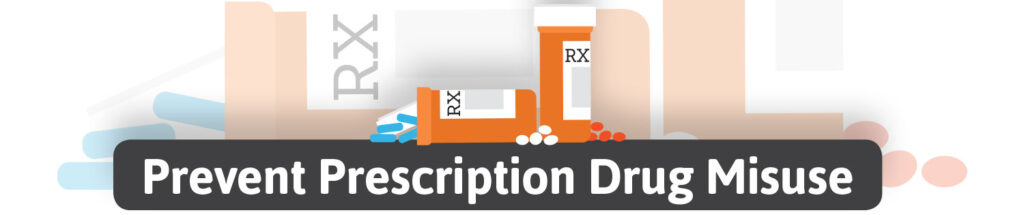
There are additional strategies available to address the misuse of prescription drugs on Missouri college campuses. Strategies focus on reducing access to prescription drugs and increasing education on the issues associated with prescription drug misuse. Each of the strategies is flexible to adapt to campus specific culture.
- Prescription Drug Take Back Event: Take back events will aim to reduce access to prescription drugs by removing surplus drugs from the campus community. Take back days will be accompanied by educational materials. Partners in Prevention will provide the following: funds to compensate on scene law enforcement officers, advertising materials, supplementary educational materials, event incentives, planning assistance, and evaluation data.
- Social Norming Media Campaign: Media campaigns will aim to increase education on the misuse of prescription drugs. Campuses will use campus data based messages on a variety of materials to make students aware of prescription drugs norms on their campus. Partners in Prevention will provide the following: media materials, promotional items, campus specific data, assistance in message development, and evaluation data.
- Peer Education Rx Program: Peer education programs will aim to increase education on the issues associated with the misuse of prescription drugs. Campuses will use existing peer groups to present workshops, skits, and lessons to various populations. Partners in Prevention will provide the following: access to Ohio State University’s GenerationRx program materials, training opportunities for peer educators, subpopulation identification assistance, and evaluation data.
Toolkits
PIP has created a toolkit related to overdose prevention which includes a Narcan checklist for campuses, a sample Narcan policy, a toolkit for administrator buy-in, and information on opioid overdose prevention and response. Visit our Overdose Prevention Toolkit to learn more!
Educational Materials
PIP has developed brochures, bulletin boards, social media playbooks, a ‘Prevent Prescription Drug Misuse’ Program to Go, and other resources to assist campuses in educating students about prescription drug misuse and opioid overdose prevention and response. Email our staff at pip@missouri.edu to access resources or login to the member portal if you are with a PIP member campus.
Research
Relevant Research Articles
- College Prescription Drug Study 2022 Key Findings
- Kolodny et al. (2015). The Prescription Opioid and Heroin Crisis: A Public Health Approach to an Epidemic of Addiction. Annual Review of Public Health. Vol. 36:559-574
- Kouros & Papp (2024). College Students’ prescription drug misuse over time and links with their mental health and well-being. Journal of Addictive Behaviors, Vol 149.
- Prescription Drug Misuse Among College Students. SAMHSA
- Prevention and Intervention Strategies to Decrease Misuse of Prescription Pain Medication – American Public Health Association
- Strang et al. (2012). Drug policy and the public good: evidence for effective interventions. Volume 379, Issue 9810, 7–13 January 2012, Pages 71-83
Citations
- National Center for Drug Abuse Statistics. “Prescription Drug Abuse Statistics.” NCDAS, 2024, drugabusestatistics.org/prescription-drug-abuse-statistics/.
- Key Substance Use and Mental Health Indicators in the United States: Results from the 2023 National Survey on Drug Use and Health. Substance Abuse and Mental Health Services Administration.