
College students’ mental health may be at risk due to college being a major life transition and the added stresses of college life in general.
While some stress and anxiety can be beneficial, untreated mental health conditions can produce negative outcomes. Compiled here are resources relating to research and best practices for mental health to aid campuses in providing effective mental health support.
Scope
National Data
The 2023 National Survey on Drug Use and Health (NSDUH) Report includes the following key findings on mental health1:
- 23% of adults aged 18 or older (or 59.2 million people) received mental health treatment in the past year, an increase of 3.4 million from 2022.
- Among adults aged 18 or older in 2023, 22.8% (or 58.7 million people) had any mental illness (AMI) in the past year.
- 4.5 million youth (ages 12 to 17) had a major depressive episode in the past year, of which nearly 1 in 5 also had a substance use disorder.
- Among adults aged 18 or older in 2023, 5.0% (or 12.8 million people) had serious thoughts of suicide, 1.4% (or 3.7 million people) made a suicide plan, and 0.6% (or 1.5 million people) attempted suicide in the past year.
According to National College Health Assessment2 data, over 60% of college students met the criteria for at least one mental health problem.
21.6% of college students said depression impacted their studies with 64% of students no longer pursuing their college due to mental health issues.
Missouri Data
In the past year 63% of Missouri college students have experienced anxiety, 44% have experienced depression, 25% have experienced panic attacks, and 25% have experienced chronic sleep issues.
23% of students who have experienced mental health concerns in the past year did not seek assistance, and for those who did their primary source of assistance was*:
- Family/friends – 32%
- Off campus mental health provider – 22%
- Off campus medical doctor – 22%
- College/university counseling services – 14%
Around 1 in 10 students (13%) said they did not seek assistance but practiced self-care and other types of management on their own.
*Question is check all that apply. All Missouri data is from the 2025 Missouri Assessment of College Health Behaviors Survey.
Warning Signs
If you or someone you know is experiencing any of the following, it could be a sign that you or they could be experiencing mental health issues:
- Excessive worrying or fear
- Feeling excessively sad or low
- Confused thinking or problems concentrating and learning
- Extreme mood changes, including uncontrollable “highs” or feelings of euphoria
- Prolonged or strong feelings of irritability or anger
- Avoiding friends and social activities
- Difficulties understanding or relating to other people
- Changes in sleeping habits or feeling tired and low energy
- Changes in eating habits such as increased hunger or lack of appetite
- Difficulty perceiving reality (delusions or hallucinations, in which a person experiences and senses things that don’t exist in objective reality)
- Inability to perceive changes in one’s own feelings, behavior or personality
- Misuse of substances like alcohol or drugs
- Multiple physical ailments without obvious causes (such as headaches, stomach aches, vague and ongoing “aches and pains”)
- Thinking about suicide
- Inability to carry out daily activities or handle daily problems and stress
- An intense fear of weight gain or concern with appearance
Protective Factors
The risk of mental health issues can be lowered by certain protective factors. They include:
- Good coping and problem solving skills
- Having a strong support system (family, friends, and school)
- Inclusive group norms
- Opportunities to participate in a range of activities
- Physical and psychologically safe environment
- A school environment that encouraged help seeking and promotes health
Population Considerations
- Multiracial adults aged 18 or older were more likely than adults in most other racial or ethnic groups to have AMI, serious mental illness (SMI), and serious thoughts of suicide.
- The pressures of adjusting to an unfamiliar culture is a risk factor common to many diverse groups, especially recent immigrants.
- Mental health struggles, such as post-traumatic stress disorder (PTSD) and substance use, are common risk factors among returning veterans.
- Since members of the LGBTQ+ community often experience higher rates of discrimination, harassment, and victimization, this can increase their rates of major depression, anxiety disorders, and substance use. This also greatly increases their risk factors for mental health concerns and suicide.
Data Briefs
At a Glance
- 2024 MACHB At a Glance: Stress and Help-Seeking
- 2024 MACHB At a Glance: Mental Health
- 2021 MACHB At a Glance: Key Findings: Mental Health, Well-being, and Interpersonal Violence
- 2020 Students’ Well-being Survey Key Findings: Well-being and Mental Health
- 2020 MACHB At a Glance: Key Findings from the 2020 MACHB Survey
- 2020 MACHB At a Glance: E-cigarette Use, Mental Health, and Well-being
- 2019 MACHB At a Glance: Key Findings from the 2019 MACHB
Volume 14
- Volume 14, Number 2: Prevalence of Substance Usage in College Students who Have a Mental Health Condition
- Volume 14, Number 1.2: Key Findings from 2-Year Institutions: 2025 Missouri Assessment of College Health Behaviors
- Volume 14, Number 1.1: Key Findings from 4-Year Institutions: 2025 Missouri Assessment of College Health Behaviors
Volume 13
- Volume 13, Number 3: Help Seeking Behaviors and Warning Signs of Suicidality and Mental Health Crises in Missouri College Students
- Volume 13, Number 1: Key Findings from the 2024 Missouri Assessment of College Health Behaviors
Volume 12
- Volume 12, Number 8: Key Findings from the 2023 Missouri Assessment of College Health Behaviors for Athletes
- Volume 12, Number 1: Key Findings from the 2023 Missouri Assessment of College Health Behaviors
Volume 11
- Volume 11, Number 11: Missouri Student-Athletes and Mental Health
- Volume 11, Number 1: Key Findings from the 2022 Missouri Assessment of College Health Behaviors
Volume 10
- Volume 10, Number 2: Cannabis Use and Mental Health
- Volume 10, Number 1: Key Findings from the 2021 Missouri Assessment of College Health Behaviors
Volume 9
- Volume 9, Number 12: The Intersection of Stress, Mental Health, and Substance Use Among Missouri College Students
- Volume 9, Number 10: Assessing Well-being with the Flourishing Scale
- Volume 9, COVID-19 Special Edition: Key Findings from the 2020 Students’ Well-being Survey
- Volume 9, COVID-19 Special Edition: Student Safety During Spring 2020 Virtual Learning Due to COVID-19
- Volume 9, Number 4: Students Attending 2-Year Colleges in Missouri
- Volume 9, Number 2: Food Insecurity
- Volume 9, Number 1: Key Findings from the 2020 Missouri Assessment of College Health Behaviors
Volume 8
- Volume 8, Number 12: Public vs. Private Institutions in Missouri
- Volume 8, Number 9: First-generation Students’ Health Behaviors
- Volume 8, Number 1: Key Findings from the 2019 Missouri Assessment of College Health Behaviors
Volume 7
- Volume 7, Number 10: Mental Health and Well-Being of Fraternity and Sorority Students in Missouri
- Volume 7, Number 9: Mental Health and Well-Being of Missouri Student-Athletes
- Volume 7, Number 8: Frequent Marijuana Use and Mental Health
- Volume 7, Number 7: Finances and Stress
- Volume 7, Number 2: Anxiety, Stress, and Suicide
- Volume 7, Number 1: Key Findings from the 2018 Missouri Assessment of College Health Behaviors
Volume 6
- Volume 6, Number 6: Help-Seeking Behaviors
- Volume 6, Number 3: Wellbeing of Missouri Transfer Students
- Volume 6, Special Edition 1: Key Findings from the 2017 Missouri Assessment of College Health Behaviors
Volume 5
- Volume 5, Number 10: Health Behaviors of Greek College Students
- Volume 5, Number 6: Anxiety, Stress, and Suicide
Volume 3
Volume 2
Volume 1
Best Practices
CCMH—the Center for Collegiate Mental Health at Penn State is a practice-research-network that focuses on providing information on the mental health of today’s college students. CCMH provides annual reports on college students who are receiving mental health services, reporting on trends and best practices based in practice, research, and technology. Learn more at ccmh.psu.edu.
NAMI – the National Alliance on Mental Illness is dedicated to bettering the lives of those affected by mental illness. Nami educates, advocates, listens, and leads on programs, policies, organizations, and practices relating to mental health. Visit nami.org/Find-Support/Teens-Young-Adults/Managing-a-Mental-Health-Condition-in-College to learn more. Managing a Mental Health Condition in College. (NAMI website: nami.org)
NCAA Sport Science Institute— The National Collegiate Athletic Association (NCAA) recognizes that mental health is a major factor in the academic and athletic success and well-being of student-athletes. The NCAA Sport Science Institute partners with mental health organizations to research and educate universities, coaches, and student-athletes on the importance of mental health. The NCAA Sport Science Institute have researched and published documents on student-athlete mental wellness, such Mind, Body, and Sport: Understanding and Supporting Student-Athlete Mental Wellness. Learn more about the Sport Science Institute at ncaa.org/sport-science-institute/mental-health-best-practices.
Strategic Planning
Craft a strategic plan to address students’ mental health. Keep in mind – what specific results or changes do you hope to achieve and how will those help reduce mental health concerns and promote help-seeking?
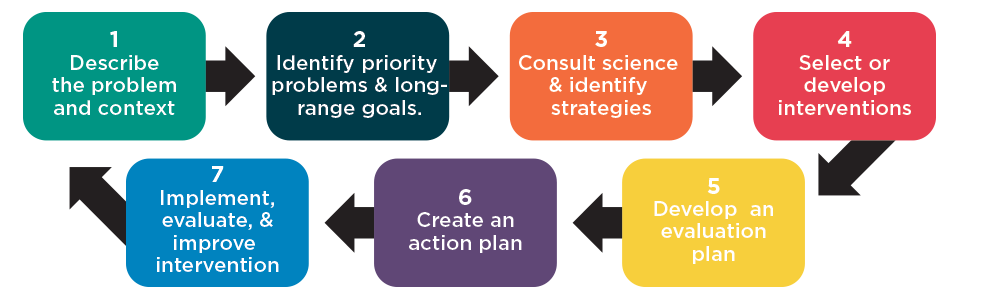
The Jed Foundation’s Guide to Campus Mental Health Action Planning is also a good resource for campuses.
National and Missouri Resources
National Resources
- 988 Suicide & Crisis Lifeline
- American College Counseling Association
- American College Health Association – Mental Health
- Active Minds
- Be There Certificate
- Association for University and College Counseling Center Director’s (AUCCCD)
- Center for Collegiate Mental Health at Penn State
- Crisis Text Line
- The Healthy Minds Study
- Higher Education Mental Health Alliance (HEMHA)
- The Jed Foundation
- Mental Health America (MHA)
- NASPA Health, Safety, and Well-being Initiatives
- National Alliance on Mental Illness (NAMI) College Guide
- NAMI Helpline (800-950-NAMI; text “NAMI to 741741; info@nami.org)
- NABITA (National Association for Behavioral Intervention and Threat Assessment)
- National College Health Assessment (NCHA)
- NCAA Mental Health
- Resource Guide for Mental Health Students & Counselors
- SAMHSA
- The Trevor Project
Missouri Resources
- AFSP Missouri
- Missouri 988
- Missouri Behavioral Health Council (MBHC)
- Missouri Foundation for Health (MFH)
- Missouri Institute of Mental Health (MIMH)
- Missouri Mental Health Foundation
- Missouri Department of Mental Health (DMH)
- Missouri Suicide Prevention Network (MSPN)
- NAMI Missouri
Inclusion of a particular resource is not an official endorsement from Partners in Prevention or any of our funding sources.
PIP Resources
Ask. Listen. Refer (ALR)
Free online suicide prevention program designed to help faculty, staff, and students prevent suicide by teaching them to:
- Identify people at risk for suicide
- Recognize the risk factors, protective factors, and warning signs of suicide among college students
- Respond to and get help for people at risk
ALR currently serves 50 campuses across the state of Missouri and 15 out of state schools. Visit asklistenrefer.org and click on your campus to take the training! For questions email muwrcasklistenrefer@missouri.edu.
Missouri Ask. Listen. Refer (MOALR)
In partnership with the Missouri Suicide Prevention Network (MSPN), MOALR provides free online suicide prevention training designed to help Missourians prevent suicide by teaching them to:
- Identify people at risk for suicide
- Recognize the risk factors, protective factors, and warning signs of suicide
- Respond to and get help for people at risk

Engage
Engage is a multi-level violence prevention program designed to address situations of harm involving alcohol and other drugs, bias and discrimination, interpersonal violence, mental health and well-being, and hazing.
Components of Engage include a self-paced, online introductory training, in-person facilitated discussions delivered by trained facilitators, and community-level violence prevention efforts including social norms campaigns and other programming. Visit our Engage page to learn more!

RESPOND: Partnering for Campus Mental Health
RESPOND is a program designed to teach the campus community (students, faculty, and staff) how to recognize and respond to mental health concerns.
The core content includes a brief overview of mental health problems on college campuses, discussion about stigma and culture, an overview of signs associated with mental health problems.
Visit https://www.mopiptraining.org/respond/ to learn more.
Educational Materials
PIP has developed social media playbooks, ‘Programs to Go’ presentations and other resources to assist campuses in educating students about mental health and well-being. Email our staff at pip@missouri.edu to access resources.
Citations
- Substance Abuse and Mental Health Services Administration. (2024). Key substance use and mental health indicators in the United States: Results from the 2023 National Survey on Drug Use and Health (HHS Publication No. PEP24-07-021, NSDUH Series H-59). Center for Behavioral Health Statistics and Quality, Substance Abuse and Mental Health Services Administration. https://www.samhsa.gov/data/report/2023-nsduh-annual-national-report
- American College Health Association. American College Health Association-National College Health Assessment III: Undergraduate Student Reference Group Data Report Fall 2021. Silver Spring , MD: American College Health Association; 2022.